
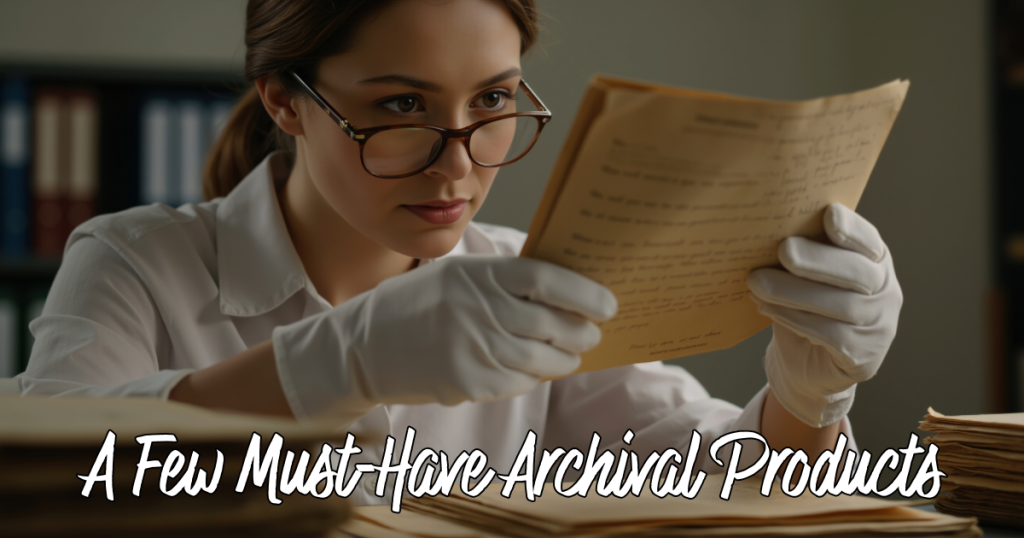
When you’re a genealogist, it might not take long before nearly everyone comes to view as the family heirloom collector. From family photos and old letters to antique furniture, many genealogists have the unique opportunity to take care of these items that their ancestors used and eventually pass the items along to their own descendants. At least, that’s the goal, but all too often time takes a toll. Papers tear. Photos fade. Furniture breaks. The good news, though, is that you don’t have to feel helpless when you stare at your family heirloom collection. Instead, you can take charge of your collection and protect it via archival-quality preservation products!
PRESERVING PHOTOS
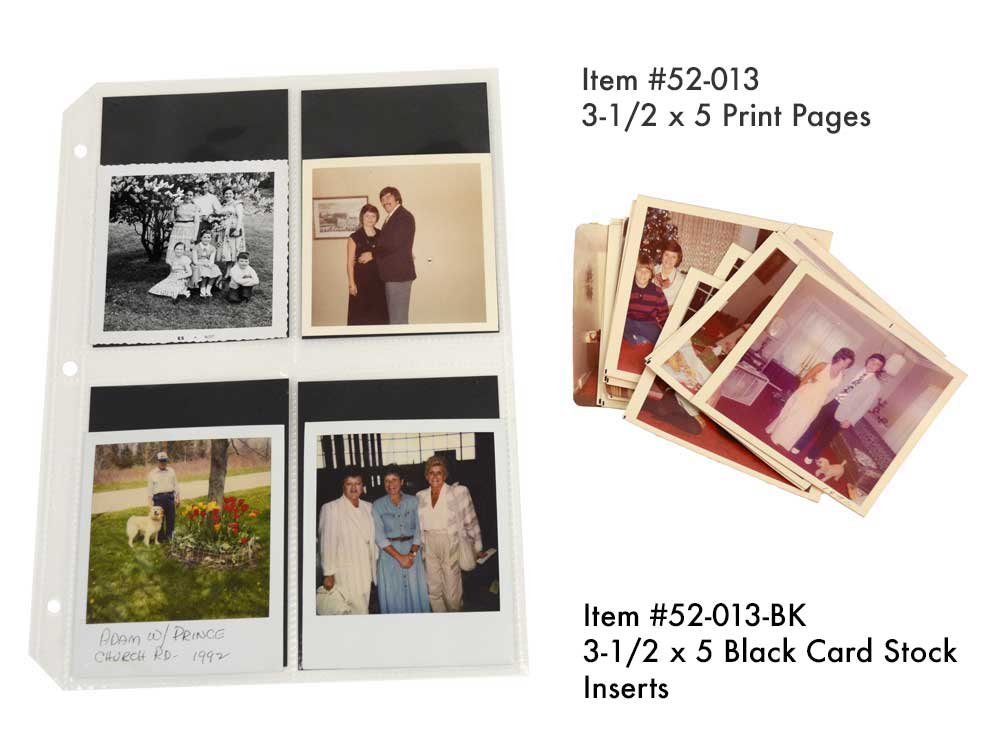
When it comes to preserving antique photos, I really love these polypropylene sleeves from Archival Methods that passed the Photographic Activity Test, or PAT for short (learn more about PAT here). These archival quality sleeves are proven to be photo-friendly, plus they come in various sizes to ensure that there’ll be a fit for every pic. To keep your photographic sleeves looking tidy (and for labeling purposes), consider snagging some archival card stock that are tailored to fit securely within specific sleeves. These sleeves are designed to go in a standard 3-ring binder, which is how I have mine stored. The sleeves and binders allow you to easily flip through pages of family photos, but unlike old albums that might be damaging images because of harmful chemicals, these products will keep your pictures safer.
ARCHIVAL MARKERS
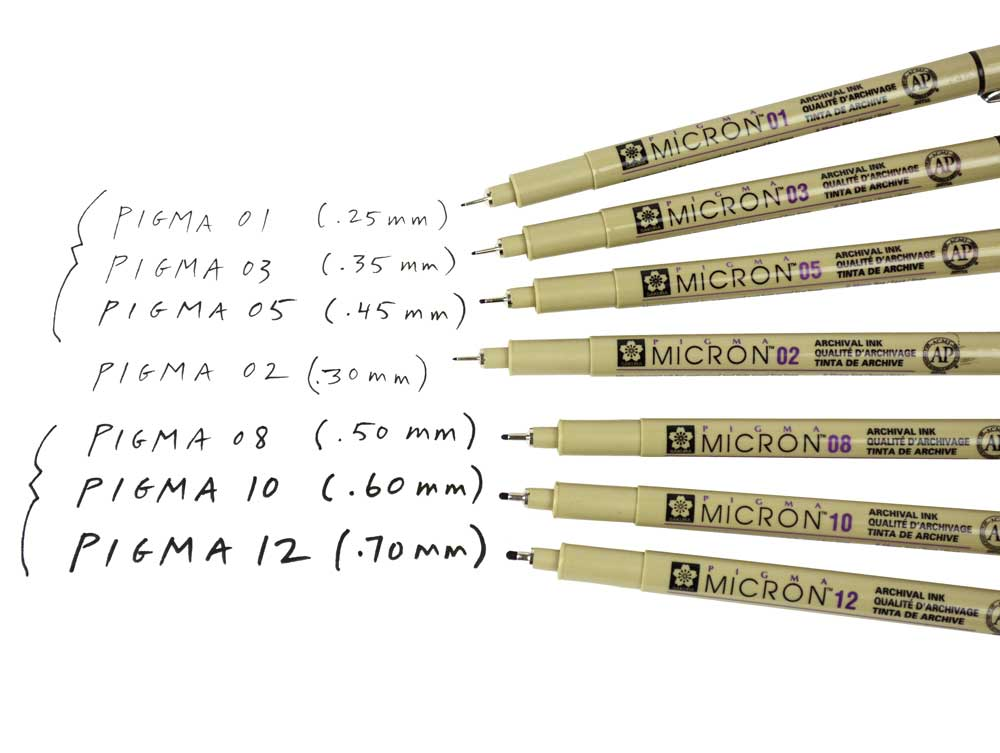
When you think about labeling artifacts, it’s always best to label items indirectly by writing on a tag or–as mentioned for photos–using archival card stock. But when it comes to writing down information about relics, you need a pen that writes smooth and lasts. That’s why I love Sakura Pigma Micron pens! These pens feature lots of perks, like being waterproof, chemical/fade resistant, non-toxic, bleed-free, archival quality, and more. I love these pens so much that I use them not only for my archival work, but also for journaling in my Bible. After some family members tested out these pens, they also made the switch and now use them for journaling or work. (Note that you can also find these pens at regular retailers, sometimes for cheaper rates–I’ve even spotted them at Hobby Lobby.)
GLOVES
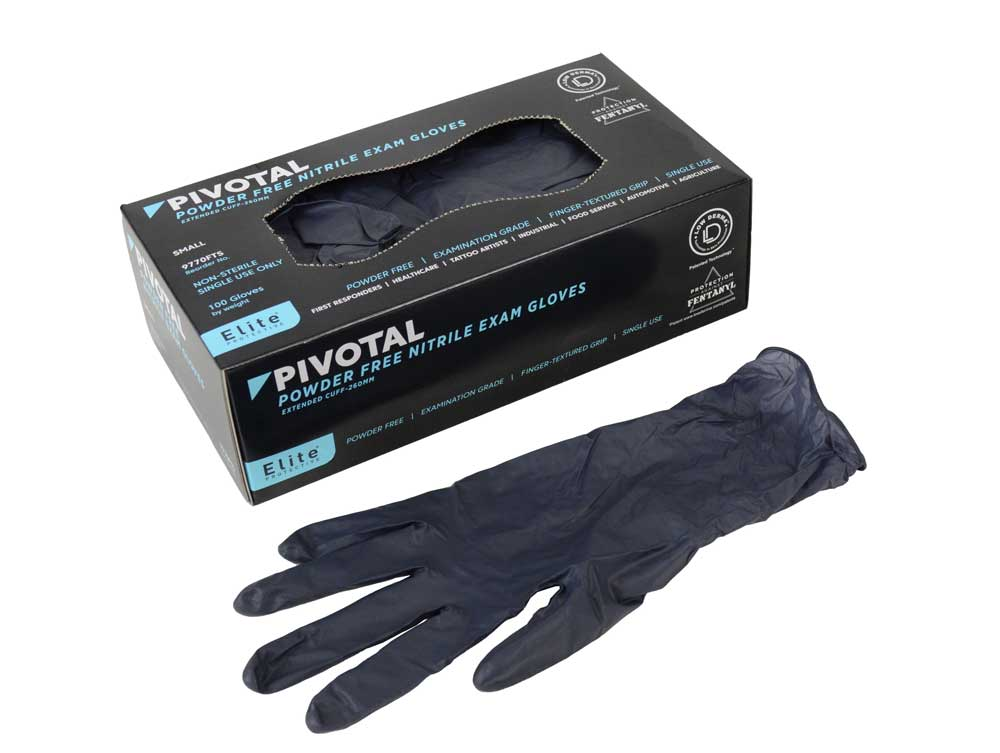
When you’re handling fragile relics, it can be smart idea to use archival-safe inspection gloves to make sure oils, sweat, nail polish, or anything else on your hands doesn’t transfer to the heirloom. While I’ve always used cotton gloves, I’ve never liked that the fit isn’t snug, as I usually end up with a lot of excess that makes it more difficult to handle paper items especially. So when I spotted black nitrile gloves at Archival Methods, I was eager to test them out. They didn’t disappoint! A size small fits my hands perfectly, and without the excess material on my fingers, I’m able to grip fragile antiques better. What’s more, the fingers boast a slight texture, which gives users a bit more grip when holding items (which could really come in handy when holding glassware or other breakables).
ARCHIVAL BOXES
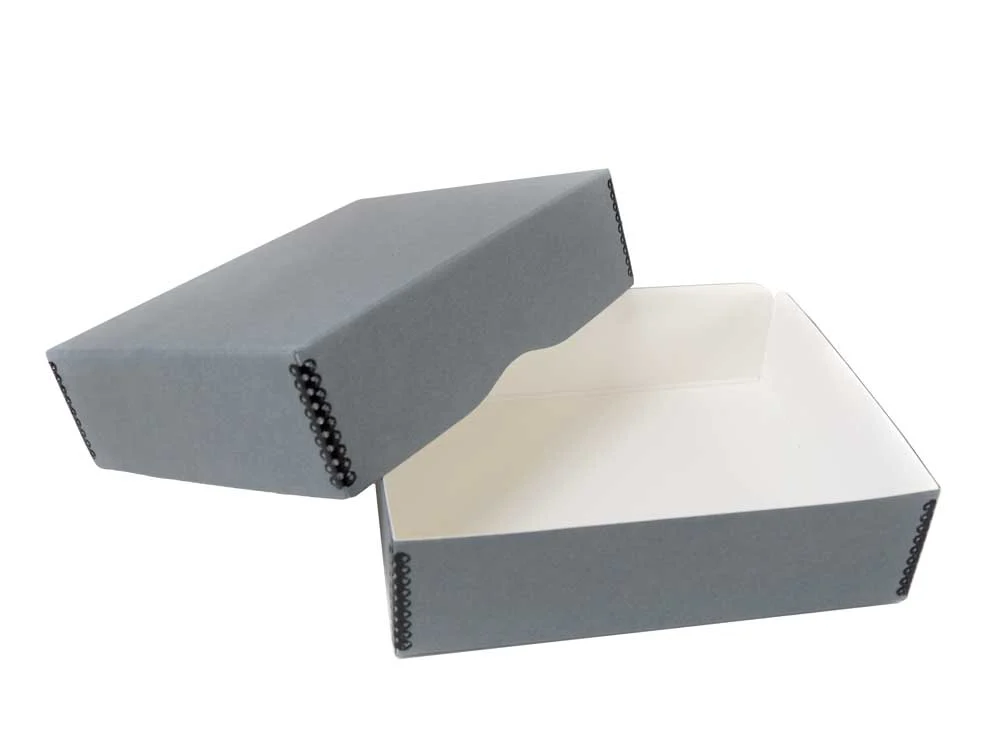
Have textiles in your heirloom collection? Or maybe you’ve got some fragile pieces you’re looking to safely tuck away? Then consider an archival box! These buffered boxes come in various sizes and styles, so there should be a product for most any collection. If you’re needing unbuffered boxes or a custom size, then Gaylord Archival has you covered. Be sure that you understand the difference between buffered and unbuffered boxes, as buffered boxes can harm certain materials. Good news: this Gaylord Archival article offers helpful information and a handy chart.
When it comes to preserving family heirlooms, it can feel like an overwhelming challenge, filled with lots of options and decisions. It doesn’t have to be super overwhelming, though, and I hope this post (and part two of this post) offers you a guide and roadmap to proper preservation.
Until next time,

Disclaimer: This post is not endorsed by any archival business. This article is intended to offer a basic guide to preservation only. Always do additional and independent research or reach out to a conservator for guidance before undertaking preservation projects. This post does not necessarily reflect the views of TSGS, TSGS team members, or anyone else affiliated with the society.